

In 2026, women entrepreneurs are no longer an exception. They are visible across industries,
stages, and geographies. Launches are celebrated. Valuations are announced. Conferences
highlight representation. Yet once the spotlight moves on, only a small number of companies
continue to grow with stability and relevance.
The question has shifted. It is no longer whether women can build companies. That is settled.
The real question is why some women build businesses that endure while others struggle to
move beyond momentum. The answer lies less in ambition and more in design. These women
made choices early that shaped how their companies behaved under pressure.
Women Who Built Differently And Why It Worked

These founders did not follow the same path, but they shared one instinct. They refused to build
the way the market expected them to.

Melanie Perkins founder of Canva
Melanie Perkins entered technology without Silicon Valley privilege, which forced her to think
differently from the beginning. She started with a simple frustration. Design tools were complex
and exclusionary. Instead of chasing fast expansion, she invested years in product usability and
internal culture. Canva grew steadily and resisted early pressure to sell. While many fast growing
tech companies struggled during market slowdowns, Canva remained stable. The advantage
came from patience. Perkins treated long term trust and product love as assets worth protecting,
while others treated speed as a shortcut.
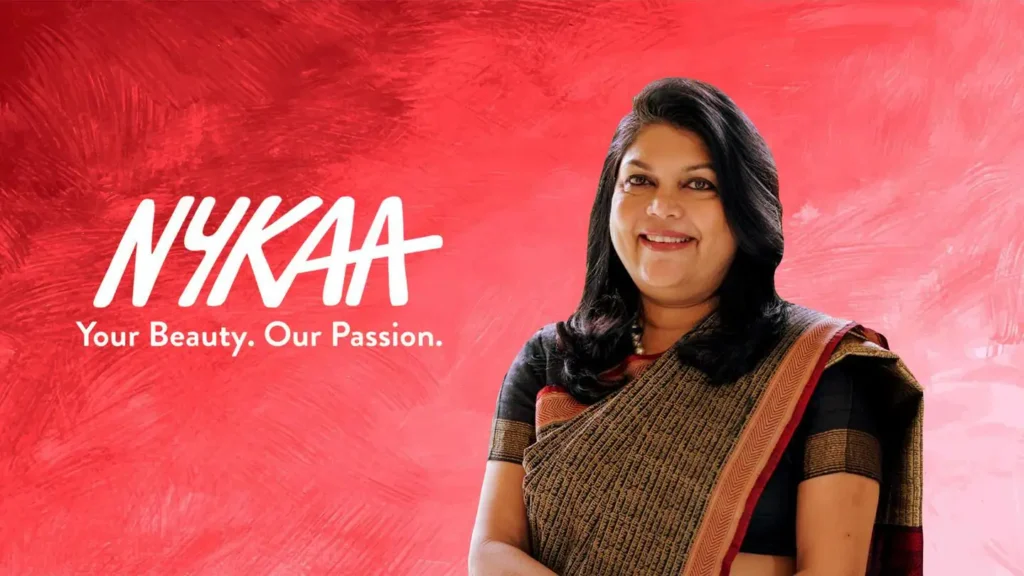
Falguni Nayar founder of Nykaa
Falguni Nayar stepped into entrepreneurship after a long career in finance. At a time when
ecommerce in India prioritized speed and heavy discounting, she chose a slower and more
controlled path. Nykaa focused on authentic products and inventory ownership. This limited
early scale but solved a trust problem that many faster competitors never recovered from. Today
Nykaa competes less on price and more on credibility. What separated her was clarity. She
understood that without trust, growth remains fragile no matter how impressive the numbers
look.

Rihanna founder of Fenty Beauty
Rihanna did not approach business as an extension of celebrity. She approached it as a correction
to an industry blind spot. Fenty Beauty launched with a wide range of shades when most brands
ignored large segments of consumers. Inclusivity was not a campaign. It was the product itself.
She shaped the brand around real people rather than aspirational ideals. That decision reset
industry standards almost overnight. The distinction was focus. She chose an ignored audience
and served them completely, while others continued to market broadly without depth.

Dina Powell McCormick leader at Meta
Dina Powell McCormick built her career across government, finance, and technology instead of
staying within a single domain. In 2026, as AI regulation and geopolitical pressure reshape the
tech sector, this background has become a strategic advantage. She operates where policy,
capital, and infrastructure intersect. This is where real power in technology now sits. The
advantage came from foresight. She prepared for a world where leadership demands fluency
across systems, not just expertise in one.
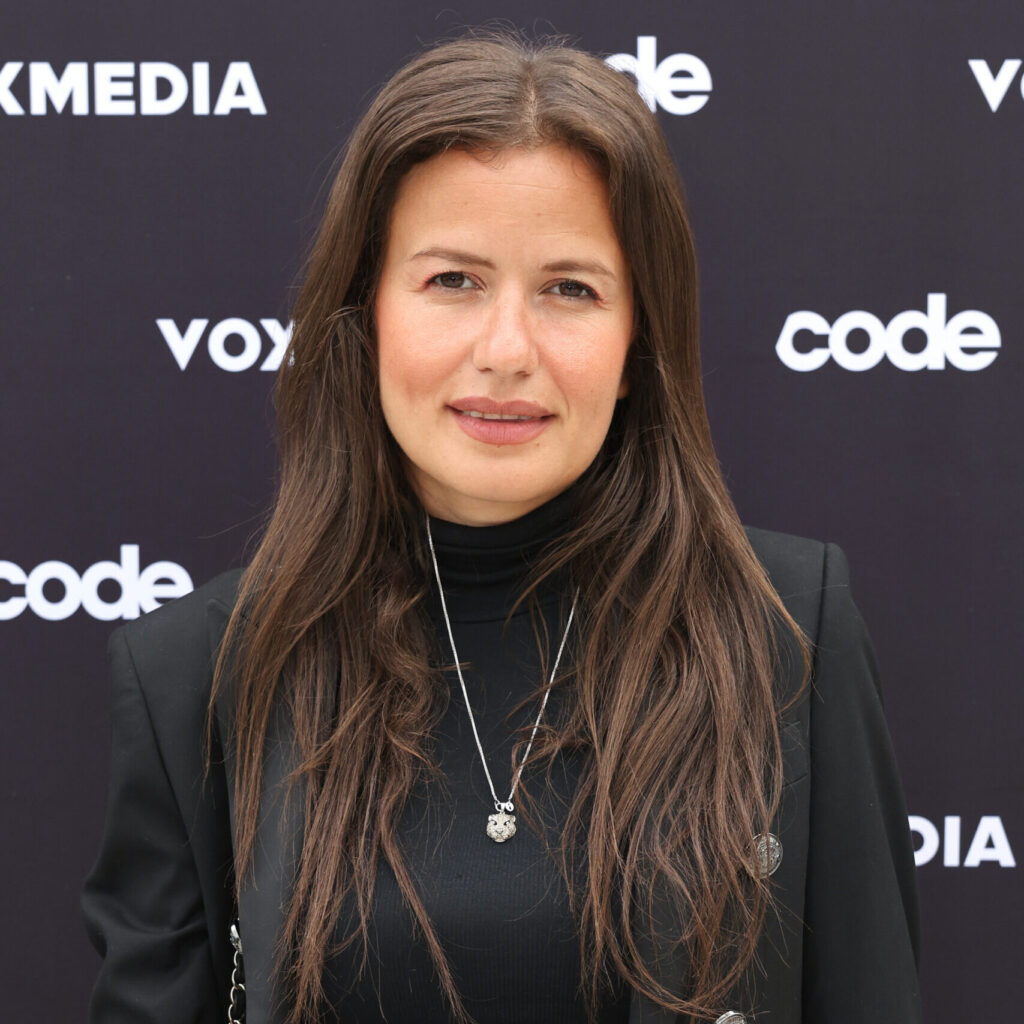
Inna Braverman founder of Eco Wave Power
Inna Braverman entered renewable energy knowing innovation alone would not be enough. She
worked with regulators and governments from the start. This slowed early progress but enabled
grid connected projects others could not secure. Many clean energy ventures failed by treating
policy as an obstacle. Braverman treated it as a foundation. The difference was discipline. She
built a company designed to survive regulation rather than collapse under it.
A leadership pattern that connects them

Across industries and regions, these women made similar choices in different forms. They did
not rush growth. They solved trust before scale. They chose authority over attention. They
designed systems strong enough to absorb pressure rather than collapse under it. None of these
journeys are perfect. Each includes trade offs and sacrifices. But these founders understood
something early that many overlook.
Conclusion

Sustainable companies are built deliberately, not dramatically. These women did not succeed by
following louder playbooks. They succeeded by questioning assumptions others accepted. They
slowed down when the market rushed. They invested where returns were not immediate. They
built businesses meant to last, not just launch. That is what they did differently. And that
difference explains why their companies continue to matter long after the headlines move on.