
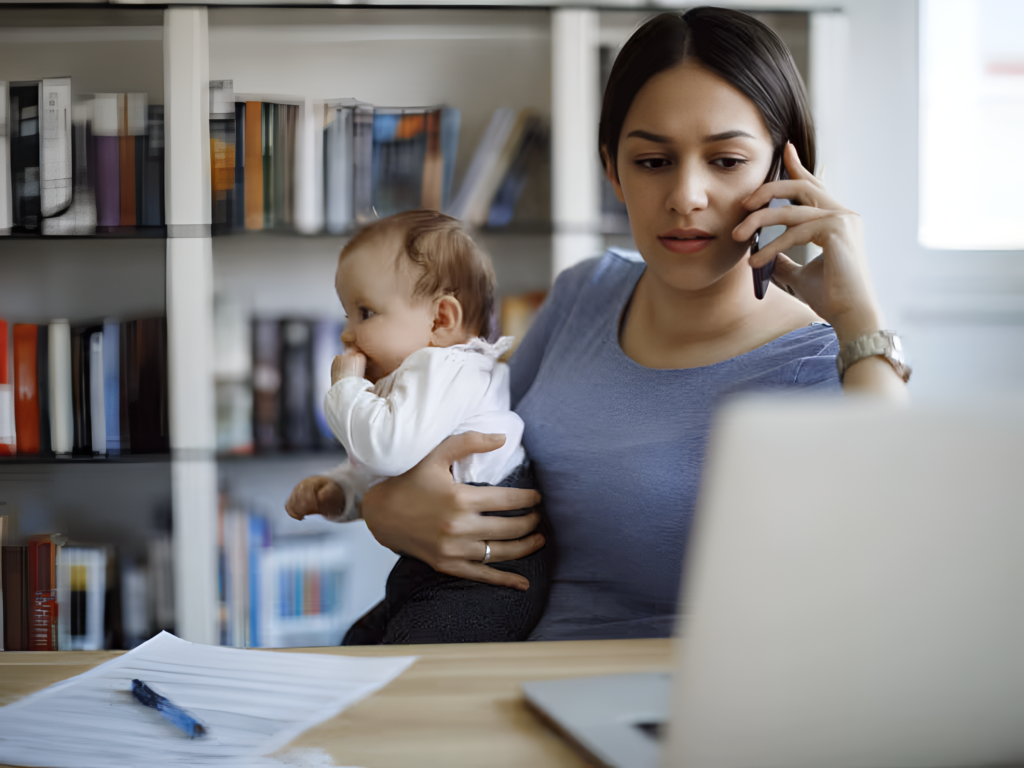
Women today are working harder than ever before, but they are also carrying more than ever before. They are leading companies, building careers, managing households, raising children, supporting aging parents, and contributing financially in ways previous generations could only dream of. Yet despite all this progress, most women are still expected to remain the default person responsible for everything happening at home.
That is the real reason so many women feel exhausted in 2026. Women are expected to perform at a high level in every area of life at the same time. They are expected to be productive at work, emotionally available at home, organized everywhere, and endlessly capable in every role they play.
The pressure is not created by work alone. It comes from constantly moving between professional responsibilities and personal responsibilities without a real pause in between.
The Double Pressure
Women today are expected to succeed in every part of life at the same time. They are building careers, attending meetings, handling deadlines, and managing professional pressure, while also carrying most of the responsibility at home. Cooking, childcare, school schedules, doctor appointments, family planning, and emotional support still fall mostly on women, even when both partners work full-time.
Women are not only balancing work and home. They are constantly moving between two different sets of responsibilities without a real break in between.
Even in homes where both partners work full-time, women still spend far more time on unpaid domestic work and caregiving. Women in India spend around 305 minutes every day on unpaid domestic work, compared to only 86 minutes for men.
As a result, many women are effectively doing two full-time jobs every day, but only one of them is recognized, respected, or paid. The second shift often begins the moment the first one ends.
The Mental Load Women Carry
For many women, the heaviest burden is not always physical. It is the constant mental responsibility of remembering, planning, and organizing everything.
Long after meetings end and office laptops are shut down, many women are still mentally working. They are thinking about grocery lists, school projects, medicines, bills, birthdays, meals, uniforms, family plans, and everything else that needs to happen next. This invisible responsibility is often called the mental load, and it is one of the most overlooked reasons women feel exhausted all the time.
A woman may be sitting in an office meeting while remembering that her child has a school event tomorrow, the electricity bill is due this week, and there is no milk left at home. Because of this, many women say they never truly feel off duty. Even when they are sitting quietly, their minds are still moving through lists, reminders, and responsibilities.
In many families, women are not only carrying their own stress. They are carrying the stress of everyone around them. They become the planner, the organizer, the emotional support system, and the person responsible for making sure nothing falls apart. Women are often told to manage their time better, but they are still expected to carry most of the responsibility on their own.
The Burnout Women Hide
Women are often praised for “doing it all,” but very few people stop to ask whether they should have to. Society often celebrates women for handling careers, children, homes, relationships, and responsibilities all at once, even when it comes at the cost of their own well-being.
Burnout among women often looks very different from the dramatic version people imagine. It can look like feeling tired all the time, becoming emotionally numb, losing patience quickly, feeling guilty for resting, or feeling like there is never enough time to breathe.
Many women continue showing up to work, taking care of their families, and completing every responsibility while quietly feeling exhausted inside. That is what makes burnout among women so difficult to recognize. It is often hidden behind a smile, a completed to-do list, or the image of someone who appears to be “managing everything.”
Recent data shows women in India spend an average of 363 minutes a day on unpaid work, while men spend only 123 minutes. That gap means women have less time for sleep, exercise, friendships, hobbies, self-care, and career growth.
The Limits of Flexible Work
Remote work and flexible schedules were presented as the solution for women trying to manage both work and family. The assumption was simple: if women could work from home or choose flexible hours, life would become easier.
But for many women, flexibility has not reduced the pressure. It has simply made them available everywhere all the time. A woman working from home may still be expected to attend meetings, answer emails, help children with homework, cook meals, manage family responsibilities, and stay fully productive at work. Instead of reducing pressure, flexible work has often blurred the line between office life and home life.
Many women also feel judged for using flexible work arrangements. They are often seen as less serious, less ambitious, or less committed to their careers, even when they are performing just as well as everyone else.
The workplace has evolved faster than the home. Women today can lead teams, run businesses, and build successful careers, but many still come home to the same expectations their mothers faced.
Conclusion
The problem is not that women cannot manage work and home. The problem is that women are still expected to manage both without enough support.
Women are not asking for less ambition, fewer responsibilities, or easier lives. They are asking for a version of success that does not require them to sacrifice their mental health, relationships, or sense of self in the process.
Women have spent years being celebrated for carrying impossible amounts of pressure without breaking. But the future should not be about admiring women for surviving an unfair system. It should be about building a fairer system where they no longer have to.
For readers interested in leadership, executive careers, workplace culture, and the people shaping modern business, The Leaders Worlds features stories, articles, and news about today’s leaders and changing business culture.
Frequently Asked Questions
1. What is the double pressure women face at work and home?
It refers to the expectation that women should succeed in their careers while also carrying most of the household, caregiving, and emotional responsibilities at home.
2. Why do women feel more burned out than men?
Many women are managing professional pressure along with unpaid domestic work, childcare, and emotional labor, which leaves very little time for rest or recovery.
3. What is the mental load women carry?
The mental load includes remembering schedules, planning meals, managing bills, organizing family needs, and making sure nothing important is forgotten.
4. Has flexible work made life easier for women?
Flexible work has helped in some ways, but many women now feel pressure to be available for both work and home responsibilities at the same time.
5. What can help reduce the pressure women face at work and home?
More equal partnerships, better workplace support, shared domestic responsibilities, and stronger recognition of unpaid care work can make a big difference.