
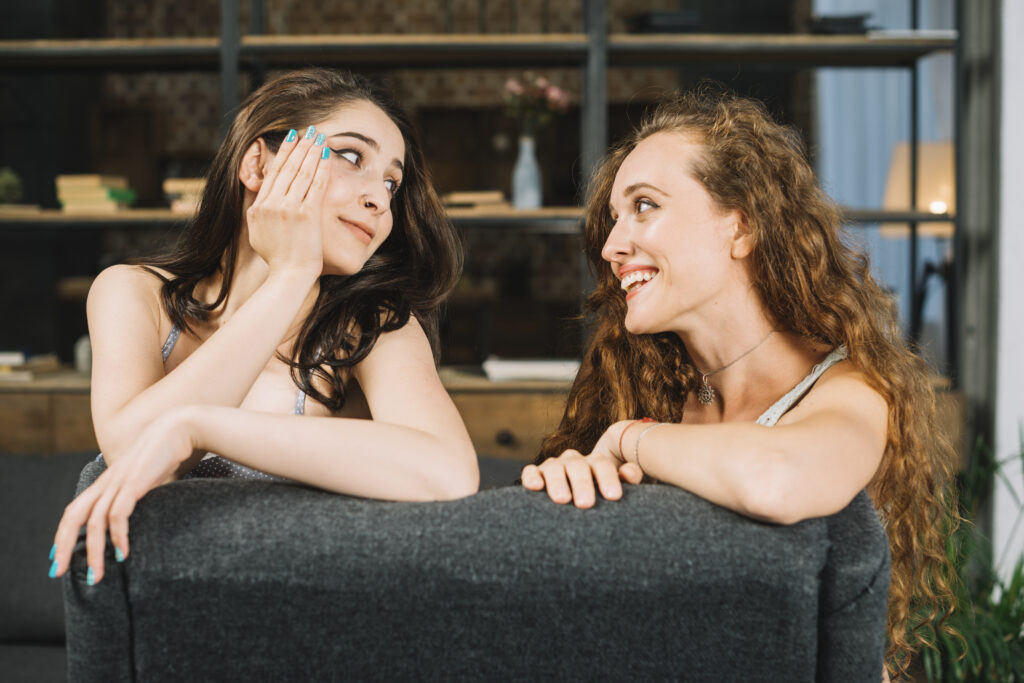
Open any social platform today and beauty appears effortless. Clear skin, polished outfits, carefully planned routines, and picture perfect moments have become part of everyday digital culture. Behind these flawless images, however, many people are questioning when taking care of themselves started feeling like something they constantly need to improve.
Beauty has always been connected with identity, creativity, and self expression. Makeup, skincare, fashion, and personal style allow people to explore different versions of themselves. However, modern beauty standards have become more complex as people try to balance looking good with feeling comfortable in their own lives.
The beauty industry continues to expand globally. According to McKinsey & Company’s analysis of the beauty market, the sector is expected to reach approximately $580 billion by 2027. This growth shows how beauty has expanded beyond products and become connected with wellness, lifestyle choices, and personal identity.
The Pursuit of Perfect
Beauty routines can create confidence, comfort, and moments of personal care. For many people, choosing an outfit, following skincare, or applying makeup is a creative process that helps them feel prepared and connected with their personality.
A culture focused on constant optimization has made even self care feel like another area to perfect. A simple routine can quickly become surrounded by new products, viral techniques, and advice promising better results. More information has created awareness, but it has also made beauty decisions more complicated.
The challenge begins when normal human features slowly become viewed as problems waiting for solutions. Skin texture, ageing signs, body changes, and natural differences often receive unnecessary attention in a world where every detail can be compared online.
A healthy relationship with beauty starts by understanding what genuinely adds value. A routine should serve the person using it, not become another responsibility they have to manage. The strongest form of beauty is created when choices come from interest and comfort rather than pressure.
Digital Beauty Standards
Social platforms have transformed the way people experience appearance. Millions of edited photos, filtered videos, and carefully selected moments are shared every day, creating an environment where comparison becomes easier and more frequent.
Studies examining social media and body image have found that frequent appearance comparison online is associated with higher body image concerns, especially when users compare themselves with idealized images. Advanced editing tools and AI powered filters have added another layer by making digitally enhanced appearances easier to create.
Many people are no longer only comparing themselves with others. They are comparing themselves with images shaped through lighting, editing, and technology. The most difficult beauty standard to compete with can sometimes be a version of reality that exists only on a screen.
Digital spaces have also created positive changes by giving visibility to different skin types, cultures, body shapes, and personal styles. The real challenge is learning how to take inspiration from online spaces without allowing changing trends to control self confidence.
Smarter Beauty Habits
Many consumers are becoming more selective about what deserves space in their daily routines. The popularity of skin minimalism, also known as skinimalism, shows growing interest in fewer products, effective ingredients, and realistic beauty habits.
Consumers are paying closer attention to science backed skincare, multifunctional products, and solutions designed around individual needs. The focus is becoming less about owning every trending product and more about understanding what actually works.
Choosing simplicity often comes from understanding personal needs better and creating routines that feel realistic, effective, and comfortable. A detailed routine may work perfectly for one person, while a minimal approach may bring more comfort and consistency for another.
Beauty becomes healthier when people stop treating every new trend as something they must follow. Confidence often grows through knowing what to accept, what to change, and what does not require attention.
Personal Beauty Choices
Beauty expectations have always been influenced by culture, media, and society. Conversations around appearance now include wider representation across different ages, skin tones, body types, and individual preferences.
Dove’s Self Esteem Project, launched in 2004, has reached more than 100 million young people globally through educational resources focused on body confidence and self esteem. Such initiatives highlight the importance of creating healthier conversations around appearance and personal confidence.
Personal choice remains an important part of beauty. Some people feel confident with bold makeup and expressive fashion, while others feel their best with simple routines and natural styles. Both approaches represent different ways people connect with beauty and personal expression.
The difference comes from understanding who controls the decision. Beauty should be a way to express identity, not a measurement used to decide personal value.
Healthy Beauty Balance
The modern beauty dilemma exists because appearance has always played a role in confidence, culture, and self expression. People naturally care about how they present themselves, but increasing expectations have created a need for more balance between appearance and comfort.
There is no single correct relationship with beauty. What feels empowering for one person may feel unnecessary for another. The important question is whether a beauty choice improves everyday life or only creates another expectation to follow.
Beauty becomes complicated when enjoyment turns into pressure and people feel they must constantly prove their appearance. A healthier relationship begins when beauty adds creativity, confidence, and value without controlling how people see themselves.
At its best, beauty is a personal expression of identity and choice. The strongest connection with it begins when people understand themselves enough to decide what truly deserves their time and energy.
Frequently Asked Questions
1. What is the modern beauty dilemma?
The modern beauty dilemma is the challenge of balancing personal appearance goals with comfort and self acceptance. It focuses on enjoying beauty without feeling pressured by unrealistic standards.
2. How has social media changed beauty expectations?
Social media has increased exposure to edited images, filters, and changing trends. This has influenced how people compare themselves and understand beauty in everyday life.
3. Does choosing simple beauty routines mean caring less about appearance?
No, simple routines often focus on choosing what works best instead of following every trend. It is about creating realistic habits that match personal needs.
4. Why are more people interested in skin minimalism?
Skin minimalism focuses on fewer products, effective ingredients, and practical routines. Many people prefer it because it saves time and supports consistent skincare habits.
5. How can people build a healthier relationship with beauty?
A healthier relationship starts by making beauty choices based on personal comfort and confidence. Beauty should support self expression rather than create constant pressure.