
BHP’s latest CEO appointment was expected to be a routine leadership transition at one of the world’s most influential mining companies. Instead, it has quickly turned into a broader industry conversation about how leadership decisions are still being shaped at the top level.
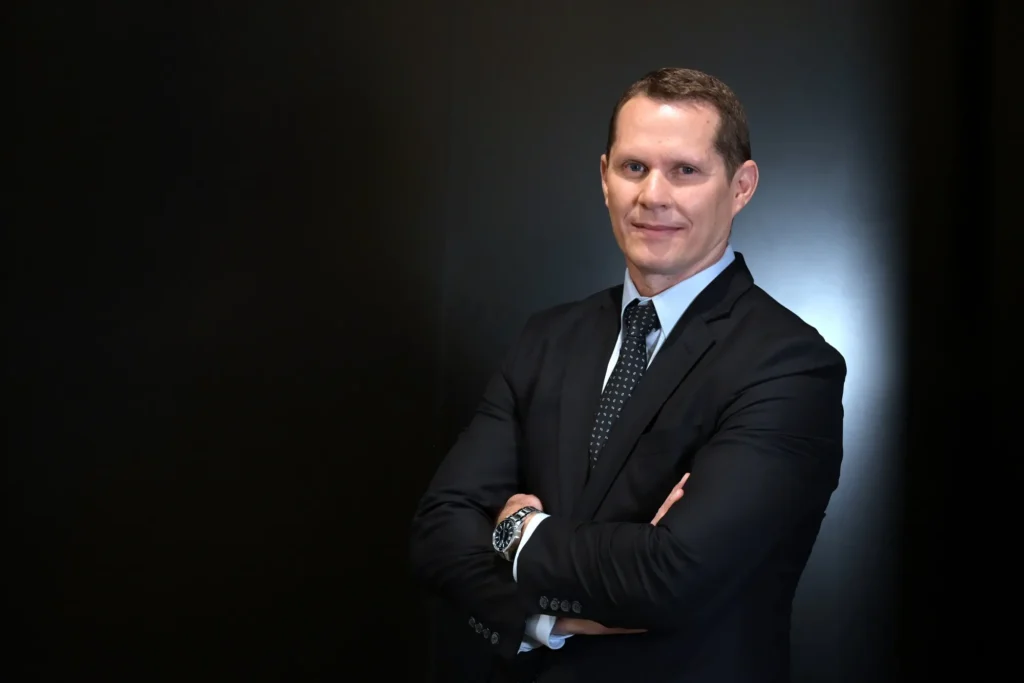
The company confirmed that Brandon Craig will take over as CEO from July 1, succeeding Mike Henry after more than six years in the role. Craig brings over two decades of experience within BHP, having led major operations across iron ore and the Americas. While the decision signals continuity in strategy, it has also brought attention to a deeper issue that continues to surface across global industries.
A Leadership Decision That Shifted the Conversation
In the months leading up to the announcement, there was a noticeable shift in expectations within the mining industry. Geraldine Slattery, who oversees BHP’s Australia operations, and Vandita Pant, the company’s CFO, were both seen as strong internal candidates capable of stepping into the top role.
These were not symbolic names included for representation. Both leaders have handled complex, high-impact responsibilities, from managing large-scale operations to shaping financial and strategic decisions. Their experience positioned them as credible successors in a company that has been evolving rapidly.
That is why the final decision has drawn attention. It did not disrupt the existing leadership pattern. Instead, it reinforced it, bringing back a familiar conversation about who ultimately gets selected for the highest role.
Gender Gap in Leadership
Over the past decade, BHP has made visible progress in improving gender diversity across its workforce. Women now account for close to 43 percent of its global employees, reflecting a deliberate effort to change the composition of the industry at scale.
However, this progress becomes less visible at the leadership level. Across the global mining sector, women still occupy only a limited share of top executive positions. The gap between workforce participation and leadership representation remains significant.
This contrast highlights a deeper issue. Inclusion has improved in terms of presence, but it has not fully translated into decision-making authority at the highest level.
Leadership Selection Patterns
Leadership pathways in mining continue to be shaped by traditional operational roles. Positions linked to production, site management, and engineering have historically formed the foundation for CEO succession, and these roles have largely been male-dominated over time.
As a result, leadership pipelines tend to produce candidates with similar profiles and career trajectories. When boards evaluate successors, they often rely on these established patterns, selecting individuals who fit what leadership has historically looked like.
This does not always appear as a deliberate exclusion. Instead, it functions as a system that continues to reproduce itself, making it difficult for different leadership profiles to break through at the final stage.
Mining Industry Transition
The mining sector is currently undergoing a significant transformation driven by global demand for critical minerals such as copper, lithium, and nickel. Companies like BHP are expanding their global footprint and repositioning themselves to support long-term energy transition goals.
At the same time, expectations around corporate leadership are evolving. Investors, regulators, and stakeholders are paying closer attention to governance, diversity, and long-term sustainability alongside financial performance.
While companies are adapting quickly at the operational level, leadership structures are evolving at a slower pace. This gap between external change and internal leadership dynamics is becoming more visible with each major decision.
Conclusion
BHP’s CEO appointment has once again brought attention to a gap that remains unresolved within the mining industry. Representation has improved across the workforce, but leadership outcomes continue to reflect older patterns.
The conversation is no longer about whether capable women leaders exist within the system. That is already clear. The focus has shifted to whether leadership structures are ready to reflect that reality at the highest level.
Until that shift becomes consistent, decisions like this will continue to raise the same question. Not about readiness, but about access.