
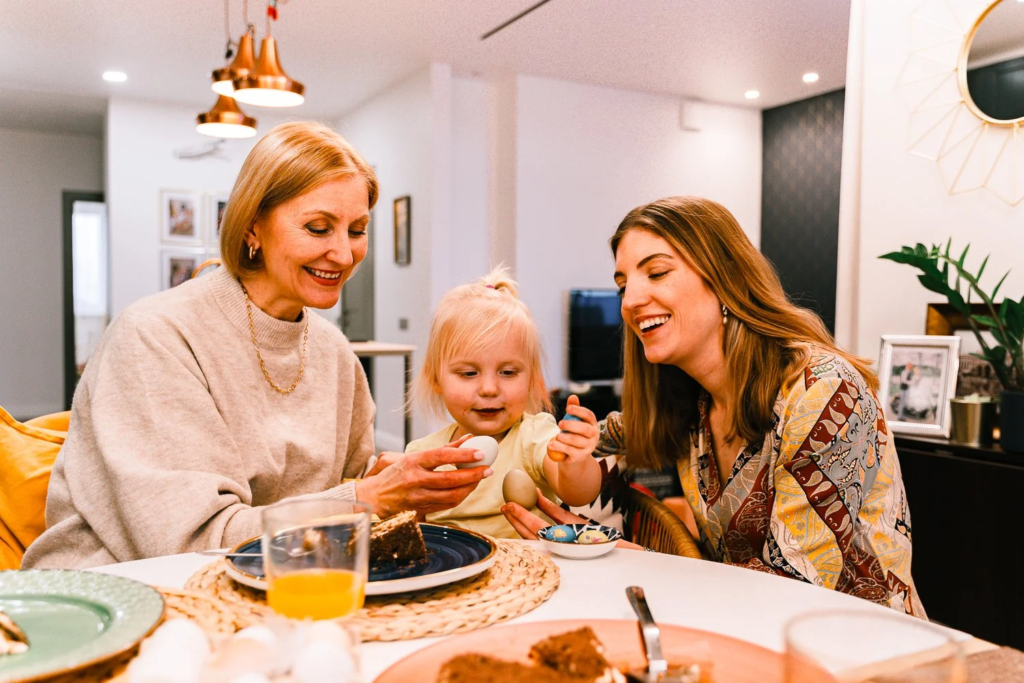
Caring for three generations has quietly become one of the least recognised pressures shaping women’s careers, wellbeing and financial security. What was once seen as a personal family responsibility is now influencing workplaces, leadership pipelines and long-term economic participation.
The latest Caregiving in the U.S. 2025 report by AARP and the National Alliance for Caregiving found that 29% of family caregivers belong to the Sandwich Generation, while 47% of caregivers under the age of 50 support both older and younger family members. In India, the Time Use Survey 2024 by the Ministry of Statistics and Programme Implementation (MoSPI) shows that women spend almost twice as much time on unpaid caregiving as men.
Source: AARP & National Alliance for Caregiving, Caregiving in the U.S. 2025 — www.aarp.org | Ministry of Statistics and Programme Implementation (MoSPI), Time Use Survey 2024 — www.mospi.gov.in
These figures explain why many women spend their days balancing professional responsibilities with children’s education, aging parents, household planning and unexpected family situations. The challenge is not simply finding enough hours in a day. It is making important decisions for multiple generations while trying to build a career at the same time.
Leading Across Generations
The Sandwich Generation refers to adults who care for their children while also supporting aging parents. Although caregiving exists in many households, women continue to perform a much larger share of unpaid care work. Their role extends well beyond providing care to organising schedules, managing finances and coordinating everyday family life.
A typical day may include taking a parent to a medical appointment, helping children with schoolwork, managing household expenses and meeting professional deadlines. Switching between these responsibilities demands organisation, adaptability, emotional intelligence and sound judgement.
Many of these abilities never appear on a résumé, yet they shape how people solve problems, manage uncertainty and lead during pressure. Organisations actively look for these qualities in leaders, even though they are often developed long before someone receives a management title.
Carrying Three Generations
Supporting multiple generations affects far more than a daily routine. It influences career progression, financial independence and personal wellbeing. According to India’s Time Use Survey 2024, 41% of women aged 15 to 59 participate in unpaid caregiving compared with 21.4% of men, highlighting how unevenly these responsibilities remain distributed.
Source: Ministry of Statistics and Programme Implementation (MoSPI), Time Use Survey 2024 — www.mospi.gov.in
The cost is not always reflected in salary or job titles. It often appears as postponed ambitions, missed opportunities, reduced working hours or slower career growth. These decisions rarely reflect a lack of ambition. They reflect the reality of balancing responsibilities that cannot simply be delayed.
There is also emotional work that rarely appears in research reports. Remembering appointments, resolving conflicts, offering reassurance and making difficult family decisions require constant mental energy. Families rely on this invisible work every day, yet it is seldom acknowledged with the same importance as paid employment.
Source: International Labour Organization (ILO), Care Work and Care Jobs for the Future of Decent Work — www.ilo.org
The Overlooked Leadership Skill
Leadership is usually measured through promotions, business results and team management. However, caregiving develops another set of leadership skills that traditional performance measures rarely capture. Decision-making, crisis management, empathy, negotiation and long-term planning are strengthened every day inside thousands of homes.
This creates a leadership gap that organisations often miss. Many experienced women bring years of practical problem-solving and people management into the workplace, but those capabilities remain invisible because they were developed through caregiving rather than formal job titles.
Recognising these strengths is not about lowering professional standards. It is about widening the definition of experience and identifying leadership potential that already exists within the workforce.
Building Caregiver Friendly Workplaces
Supporting caregivers is not only a social responsibility. It is also a business decision that affects productivity, employee retention and future leadership. Organisations that understand this reality are better positioned to keep experienced professionals engaged throughout different stages of life.
Business leaders should pay attention because caregiver-friendly workplaces can deliver long-term value:
- Retain experienced talent by reducing the pressure to step away from work.
- Strengthen leadership pipelines by helping skilled professionals continue progressing into senior roles.
- Reduce burnout and absenteeism through flexible policies and practical support.
- Build stronger workplace cultures where employees feel trusted and supported.
- Improve long-term organisational performance by recognising the realities employees face beyond the workplace.
Support cannot come from employers alone. Families, communities and policymakers also have an important role. Sharing caregiving responsibilities creates healthier families while giving women greater freedom to pursue professional growth without carrying an unequal share of family responsibilities.
The Strength Behind Families
Every generation depends on someone who quietly keeps life moving forward. In countless families, that person is a woman balancing responsibilities that stretch across children, parents and her own aspirations. Her work may never appear in annual reports or performance evaluations, yet its impact can be seen in stronger families, healthier communities and more resilient workplaces.
The future of work is not only about technology, productivity or new leadership models. It is also about recognising the realities shaping today’s workforce. Caregiving influences careers, talent retention and economic participation, making it a strategic issue rather than a private one.
Valuing unpaid caregiving does not mean celebrating sacrifice. It means creating workplaces, public policies and family cultures where women can grow professionally without carrying an unequal share of responsibilities at home.
Conclusion
The Sandwich Generation represents an important shift in the way work, family and leadership intersect. Behind every statistic is someone balancing career goals with medical appointments, school schedules, household decisions and the everyday needs of people who depend on them.
Recognising this reality is only the first step. Lasting progress will come when caregiving is treated as a shared responsibility instead of an invisible expectation. The organisations that recognise this early will not only support women more effectively, they will also build stronger leaders, stronger teams and stronger workplaces.
Frequently Asked Questions
1. Who is considered part of the Sandwich Generation?
The Sandwich Generation includes adults who simultaneously care for their children and aging parents. Many also balance these responsibilities while managing a full-time career.
2. Why are women more affected by the Sandwich Generation?
Women continue to perform a larger share of unpaid caregiving and household responsibilities, making it more challenging to balance career growth, family commitments and personal wellbeing.
3. How does caregiving affect career progression?
Caregiving can lead to reduced working hours, delayed promotions or career breaks. With the right workplace support, many women can continue advancing professionally while managing family responsibilities.
4. What can organisations do to better support employees who are caregivers?
Flexible work arrangements, caregiver leave, employee assistance programmes and supportive workplace policies can improve retention, reduce burnout and strengthen leadership pipelines.
5. Why should business leaders pay attention to this issue?
Supporting caregivers is not only about employee wellbeing; it also helps organisations retain experienced talent, build stronger leadership teams and create a more resilient workforce.