
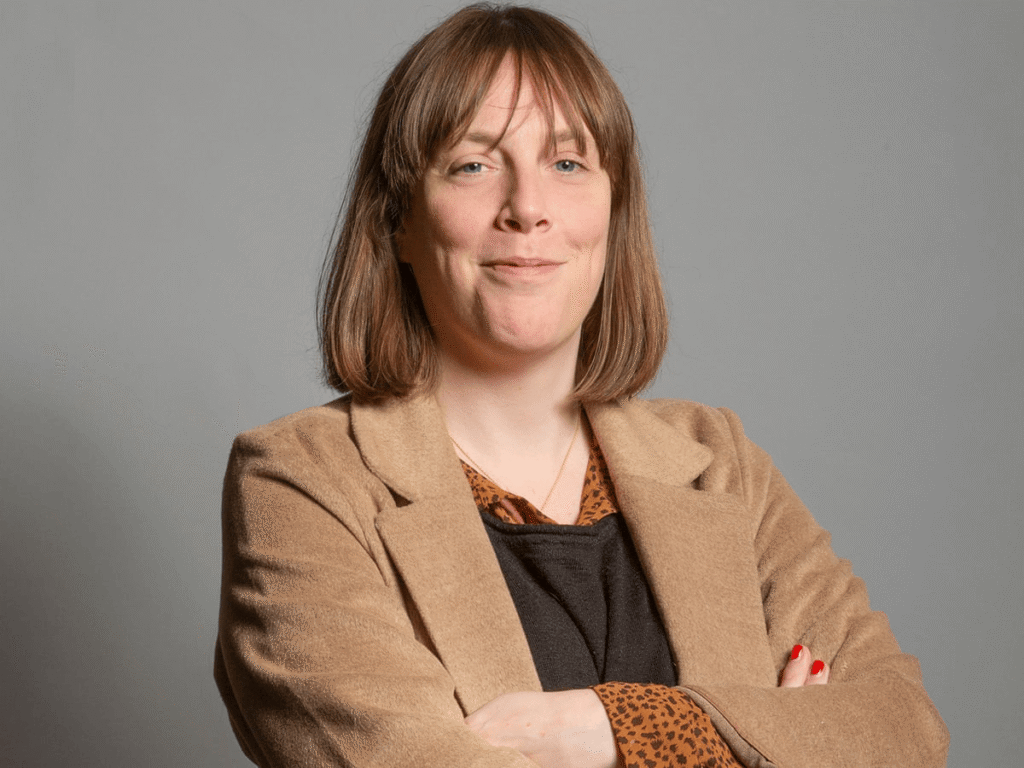
Labour MP Jess Phillips has triggered a major political debate in the United Kingdom after
publicly stating that the Labour Party has never elected a female leader because “it’s a bit
sexist.” Speaking at the Hay Festival 2026 on May 25, Phillips said that even progressive
institutions continue operating under patriarchal systems despite publicly supporting equality and
diversity. Her comments immediately sparked criticism and renewed scrutiny of Labour’s
leadership history.
The controversy comes at a difficult time for Prime Minister Keir Starmer, who is already facing
growing pressure inside the party following Labour’s weak local election performances earlier
this month. Phillips herself resigned recently from her role as minister for safeguarding and
violence against women and girls after losing confidence in Starmer’s leadership. Health
Secretary Wes Streeting also resigned shortly afterward, increasing speculation about a possible
Labour leadership contest later this year.
Labour’s Female Leadership Problem
Founded in 1900, the Labour Party has never had a permanent female UK-wide leader in its
entire history. Margaret Beckett and Harriet Harman both served only as temporary acting
leaders during transition periods. In contrast, the Conservative Party has already produced three
female prime ministers: Margaret Thatcher, Theresa May, and Liz Truss.
Phillips argued that the issue reflects a broader institutional problem rather than a simple
coincidence. During the discussion, she said that “every institution” remains shaped by
patriarchal systems and suggested Labour still struggles to fully trust women with ultimate
political power despite its progressive image. Her remarks quickly became one of the biggest
political talking points in Britain this week.
Male Leaders Still Dominate Labour
The debate has intensified because current discussions around Labour’s future leadership are
once again centered mainly around male politicians. Greater Manchester Mayor Andy Burnham
is widely viewed as the leading contender if a leadership race begins, while Wes Streeting is also
considered a strong candidate from the party’s right wing. Angela Rayner remains one of the few
senior female Labour figures with national political influence, but reports suggest she is currently
backing Burnham instead of preparing her own campaign.
Critics inside Labour argue this pattern reinforces Phillips’ broader point that women often
receive visibility inside politics but are still less likely to be treated as the preferred option for top
leadership roles. Several political analysts in the UK have also pointed toward a long-standing
internal culture where male politicians receive stronger institutional backing, media promotion,
and leadership grooming.
Labour’s Top Level Still Unchanged
The controversy is particularly damaging for Labour because the party has strongly promoted
gender equality over the past decade. Women currently hold around 41% of seats in the UK
House of Commons, the highest level in British political history. Labour itself has one of the
strongest records for female parliamentary representation, with women making up nearly half of
its MPs.
Despite those gains, Labour has still failed to place a woman at the top of the party. Phillips has
previously argued that political systems continue associating leadership with male authority
figures while women are more often viewed as “future possibilities” instead of immediate
leadership material.
During the Hay Festival discussion, Phillips also warned against assuming that simply electing a
woman automatically improves conditions for women. Referring to former Conservative Prime
Minister Liz Truss, she joked that her mortgage costs rose sharply during Truss’s economic crisis
and sarcastically remarked that Truss still “owed” her money because of the financial damage
caused during that period.
Labour Faces Gender Debate
Phillips’ comments have now transformed a long-standing internal frustration into a national
political debate. For many critics, the issue is no longer whether Labour supports women
publicly, but whether the party is truly willing to hand women the highest level of political
authority.
The timing also makes the controversy more serious because Labour is already dealing with
internal instability, declining public confidence, and growing leadership uncertainty around Keir
Starmer. As speculation about a future leadership contest continues, the party now faces
increasing pressure to explain why one of Britain’s most influential progressive political
movements has still never elected a woman to lead it.