
1. Emma Chamberlain
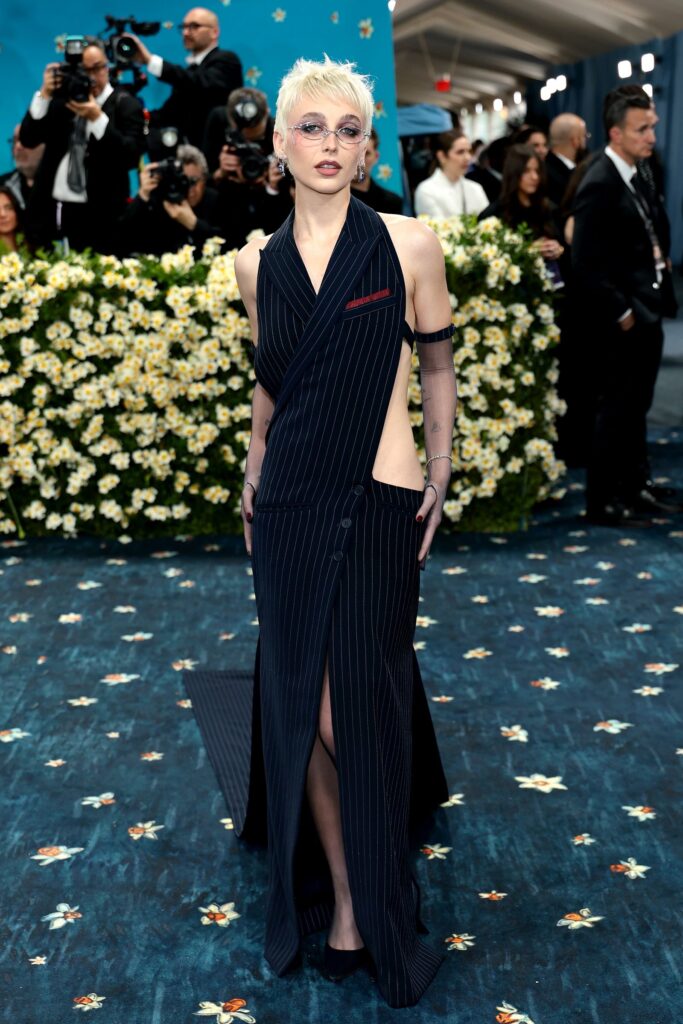
Platform: YouTube, Instagram, Podcast
Audience: 14M+ Instagram followers
Emma Chamberlain became one of the biggest Gen Z creators by making social media feel less artificial. While influencer culture was heavily focused on perfect aesthetics and polished lifestyles, Emma built her audience through awkward humor, messy editing, and emotionally honest conversations that felt real to younger viewers.
That relatability eventually became a business empire. She expanded into podcasting, luxury fashion campaigns with Louis Vuitton and Cartier, and Chamberlain Coffee, which became one of the strongest creator led lifestyle brands online. In 2026, Emma openly discussed how stepping away from nonstop content creation helped her mentally reset, showing how burnout is becoming one of the biggest hidden problems inside the creator economy.
2. Huda Kattan
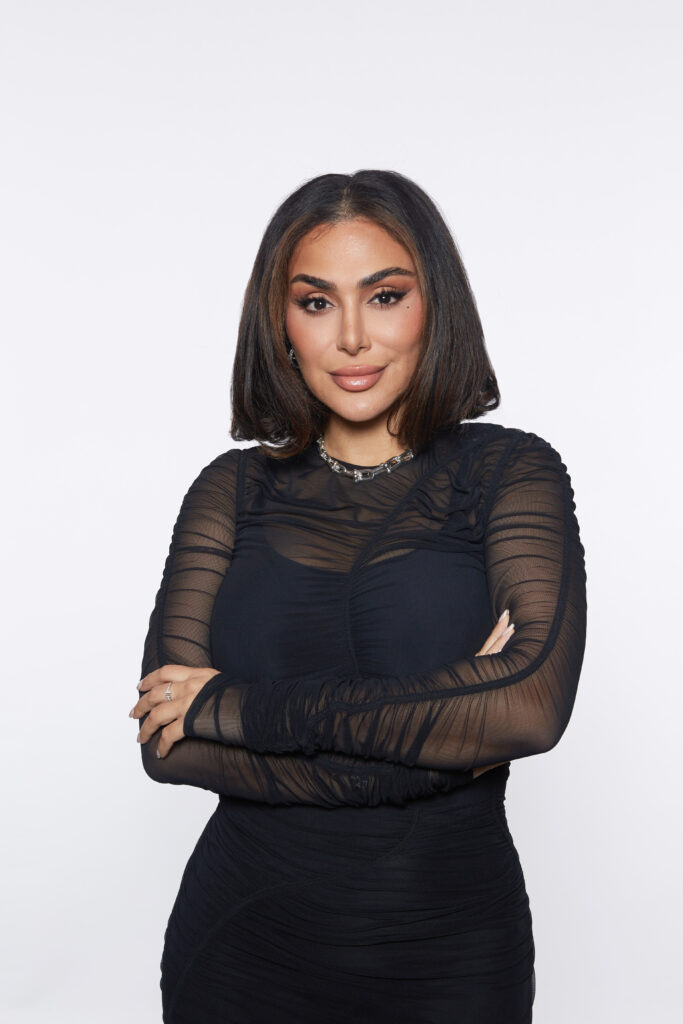
Platform: Instagram, YouTube
Digital Reach: 56M+ Instagram followers
Long before beauty influencers started launching brands everywhere, Huda Kattan understood that attention alone was temporary. Starting with simple makeup tutorials and beauty hacks online, she slowly built trust with millions of women before transforming Huda Beauty into one of the world’s largest beauty companies.
What makes Huda’s journey important is that she changed how the beauty industry viewed creators. Earlier, influencers were mostly hired to promote products. Today, creators like Huda are building companies powerful enough to compete directly with global cosmetic corporations across makeup, skincare, and fragrance categories. Her success reflects how social media is no longer just creating influencers. It is creating female founders and CEOs inside the global creator economy.
3. Selena Gomez
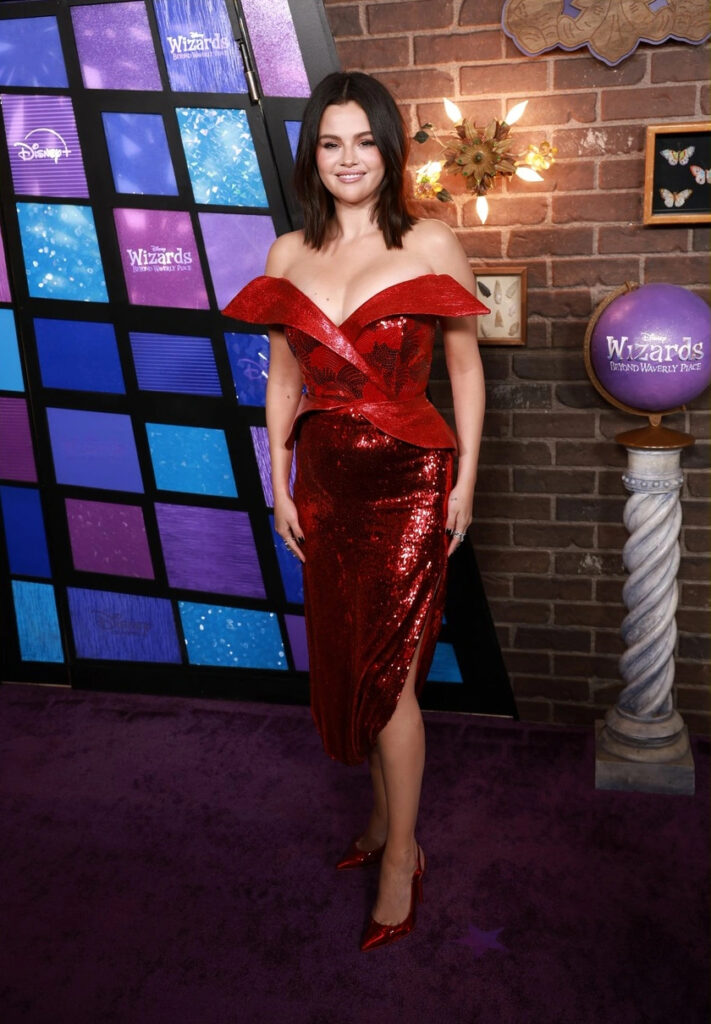
Platform: Instagram, TikTok
Digital Reach: 400M+ Instagram followers
Selena Gomez built one of the strongest emotional communities online by speaking honestly about anxiety, loneliness, and mental health instead of constantly maintaining a perfect celebrity image. That emotional openness made younger audiences trust her in a way many traditional celebrities struggled to achieve.
Rare Beauty later became one of the most successful celebrity beauty brands globally because it focused heavily on self acceptance and emotional well being instead of unrealistic beauty standards. Through the Rare Impact Fund, the company also committed major funding toward youth mental health initiatives worldwide. Selena’s influence proved that emotional honesty has become one of the most powerful branding tools in modern digital culture.
4. Charli D’Amelio
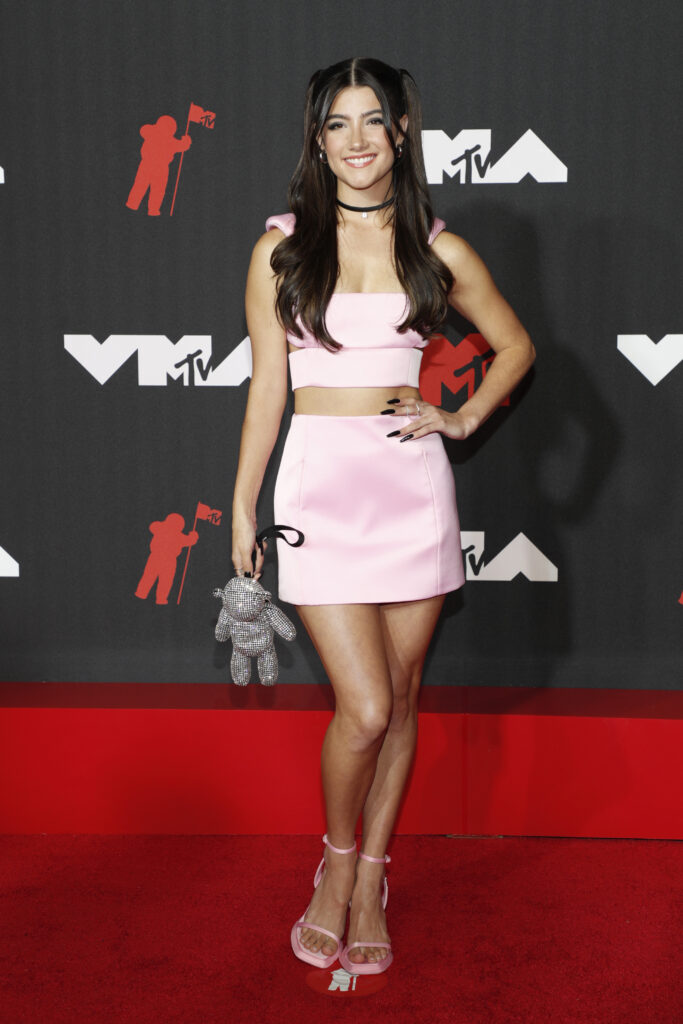
Platform: TikTok, Instagram
Audience: 40M+ Instagram followers
Charli D’Amelio became the face of TikTok’s explosive rise after casual dance videos unexpectedly turned her into the platform’s biggest creator. Her popularity showed how quickly internet culture was changing, where teenagers filming videos inside their bedrooms could suddenly become global celebrities.
Many viral creators disappear after internet hype fades, but Charli managed to expand into fashion campaigns, television projects, beauty partnerships, and large commercial collaborations. Her growth helped brands realize that short form creators could become long term entertainment and marketing figures instead of temporary trends.
5. Addison Rae
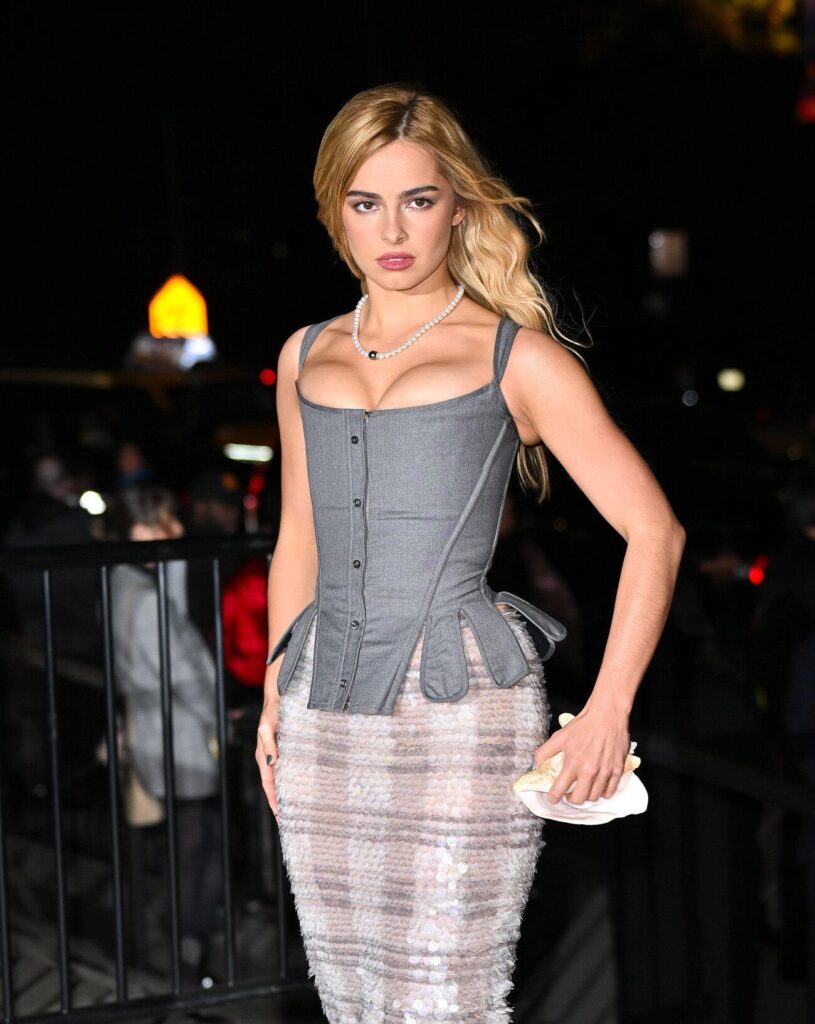
Platform: TikTok, Instagram
Audience: 33M+ Instagram followers
Addison Rae treated TikTok less like a social media platform and more like an entry point into mainstream entertainment. After building one of the platform’s largest audiences, she slowly moved into acting, music, beauty, and fashion while creating an identity bigger than internet fame alone.
Addison became one of the clearest examples of how TikTok creators started replacing traditional celebrity pipelines. Her rise showed how creators can now build massive audiences independently before entering Hollywood, music, and fashion industries on their own terms
6. Nara Smith
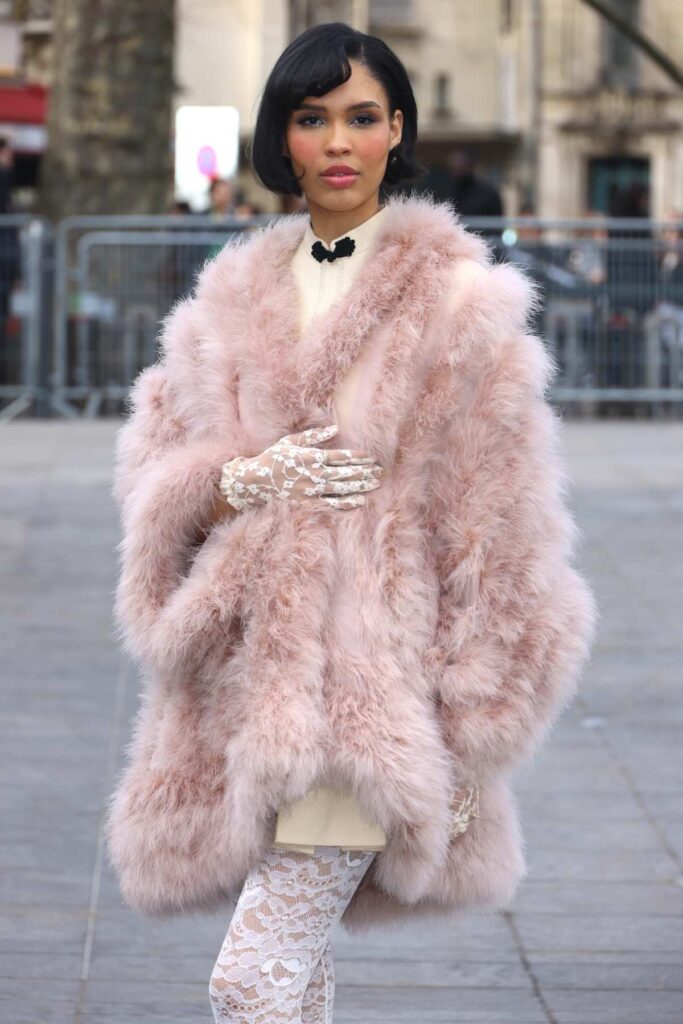
Platform: TikTok, Instagram
Audience: 4M+ Instagram followers
Nara Smith became popular for doing the exact opposite of modern internet culture. While social media kept becoming louder, faster, and emotionally exhausting, her calm cooking videos and soft lifestyle content created a completely different atmosphere online.
A large part of her popularity comes from emotional timing. Many younger audiences are becoming tired of constant overstimulation, hyper productivity culture, and performative online lifestyles. Nara’s content feels slower and emotionally quieter, which explains why millions of viewers became attached to her peaceful aesthetic. In many ways, her success reflects the growing rise of “slow influence” inside digital culture.
7. Prajakta Koli
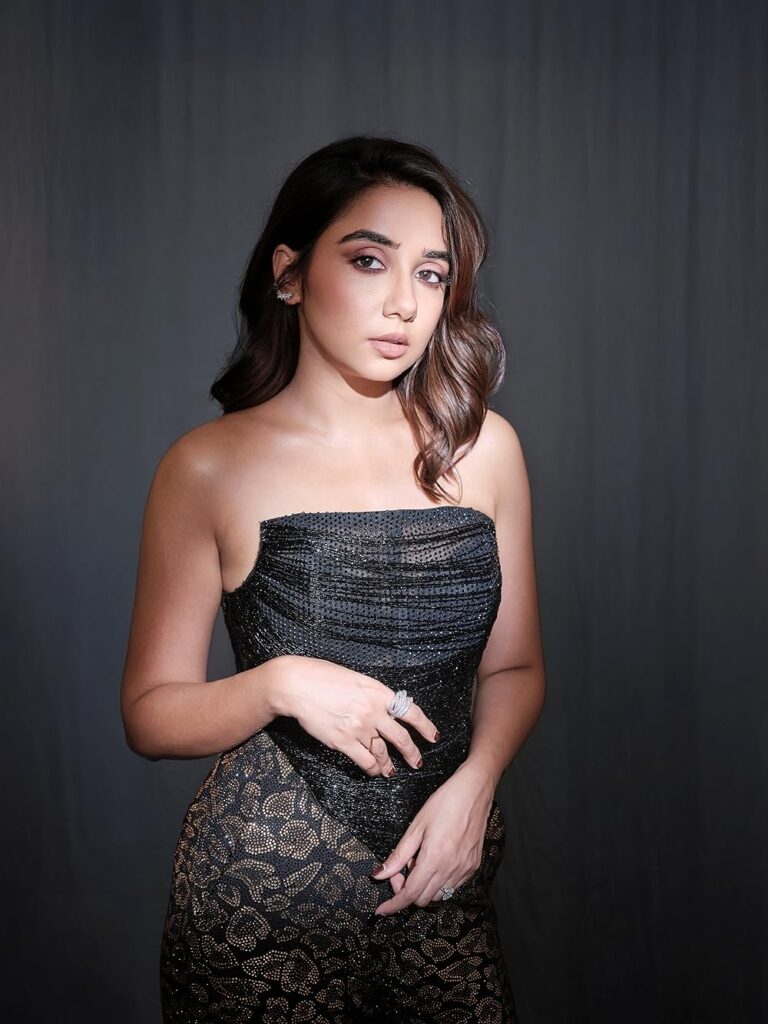
Platform: YouTube, Instagram
Audience: 8M+ Instagram followers
Prajakta Koli, known online as MostlySane, built her audience through relatable Indian humor and everyday storytelling that connected strongly with younger viewers. Instead of heavily copying Western creator culture, her content remained culturally familiar, helping her stand out inside India’s rapidly growing creator economy.
Over time, Prajakta expanded beyond YouTube into acting, global campaigns, and international youth initiatives including collaborations with the United Nations. She was also recognized in the TIME100 Creators list, showing how Indian digital creators are increasingly entering global conversations around culture, representation, and online influence.
8. Lilly Singh
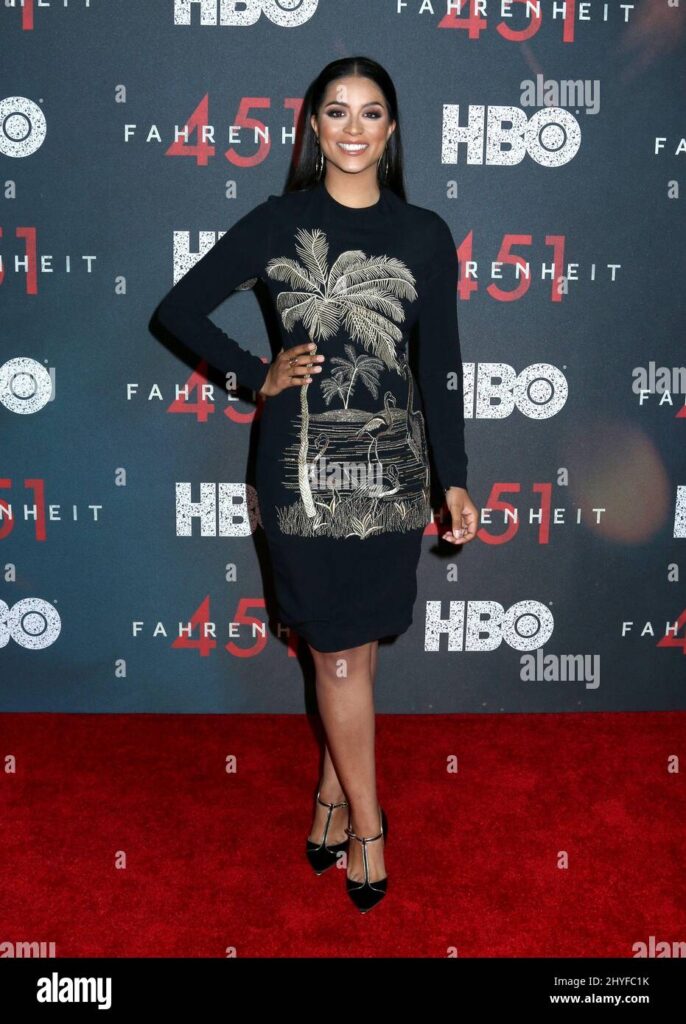
Platform: YouTube, Instagram
Audience: 14M+ Instagram followers
Long before the creator economy became mainstream, Lilly Singh was already proving that YouTube could build global careers. Starting with comedy videos filmed inside her home, she later expanded into books, television hosting, production, and major entertainment projects.
Her rise mattered because mainstream media still offered very limited visibility to South Asian women during that period. Instead of waiting for opportunities from traditional industries, Lilly built her own audience online first and forced mainstream entertainment to notice her success afterward. Her journey became one of the earliest examples of creators bypassing traditional gatekeepers completely.
9. Masoom Minawala
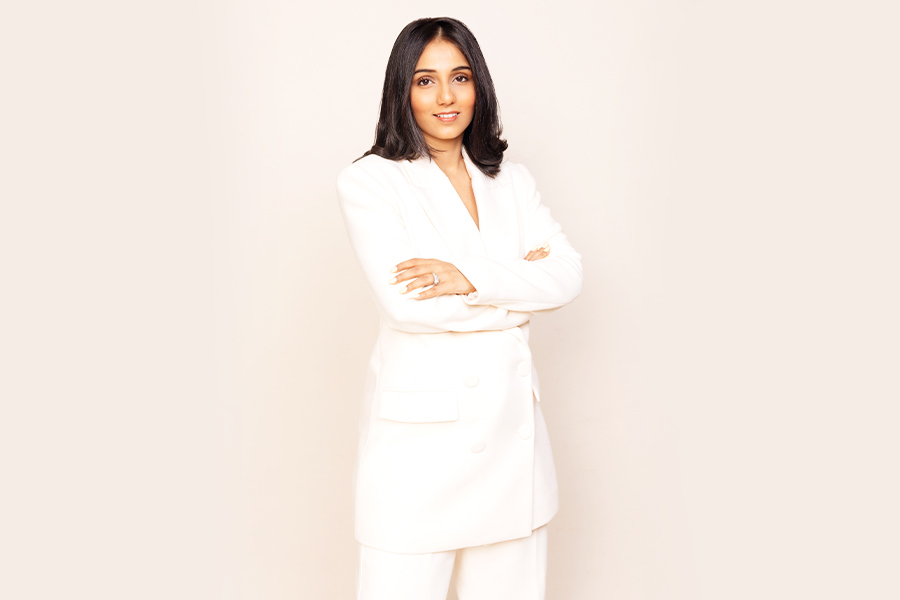
Platform: Instagram, Fashion Blogging
Digital Reach: 1.3M+ Instagram followers
Masoom Minawala built her digital identity around luxury fashion, entrepreneurship, and global brand visibility while representing Indian creators on international fashion platforms. Rather than functioning only as a lifestyle influencer, she focused heavily on long term business credibility and fashion industry presence.
Her collaborations with luxury brands and appearances at global fashion weeks helped increase the visibility of Indian creators inside spaces traditionally dominated by Western influencers. Social media gave her direct access to industries that once depended heavily on elite networks and exclusivity, proving how digital platforms are changing the structure of global fashion influence.
10. Mrunal Panchal
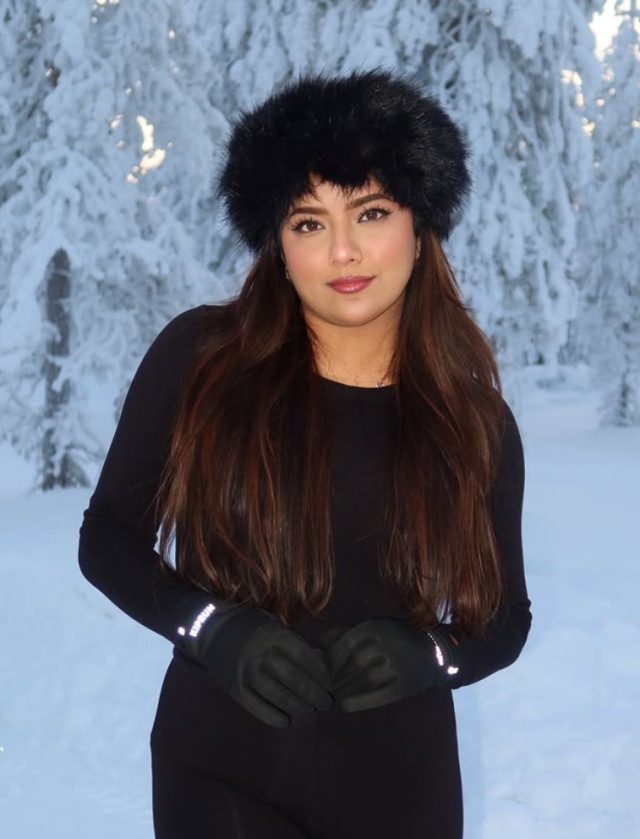
Platform: YouTube, Instagram
Audience: 6M+ Instagram followers
Mrunal Panchal gained popularity through beauty tutorials, makeup transformations, and lifestyle content that strongly connected with younger Indian audiences online. Her approachable personality and visually engaging videos helped her build a loyal community across platforms.
As her audience grew, Mrunal moved beyond sponsorships and expanded into creator led beauty products and business ventures connected directly to her followers. Her rise shows how younger creators are no longer satisfied with visibility alone. They now want ownership, products, and long term business control inside the growing Indian creator economy.